Inaugural ISSA show

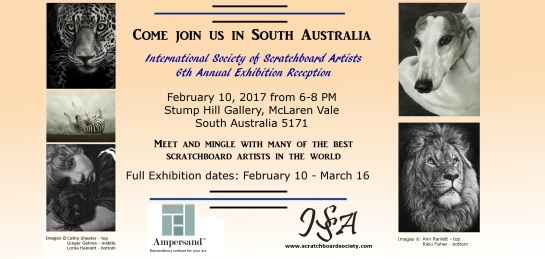
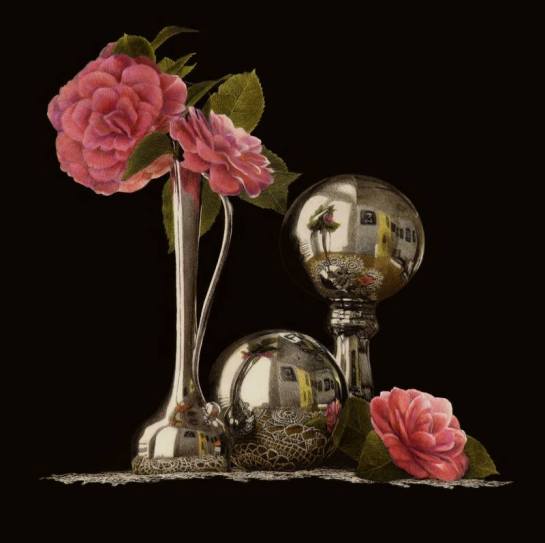
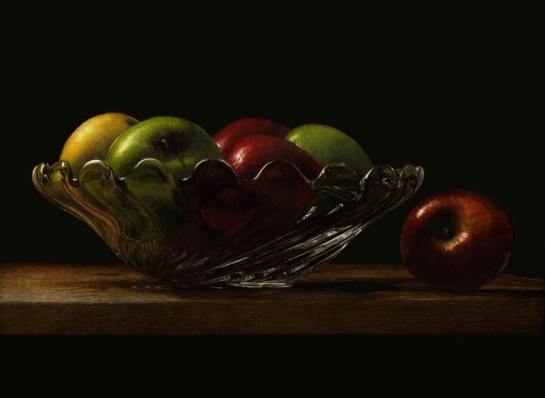
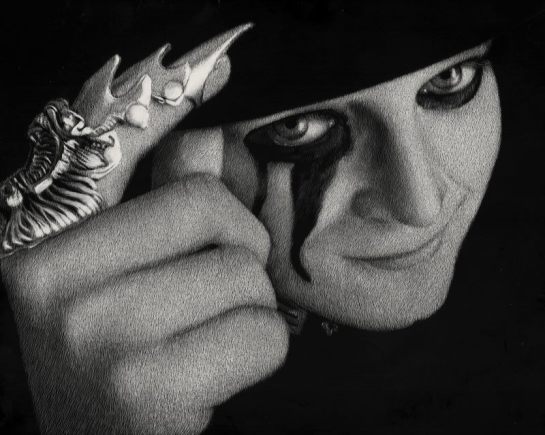
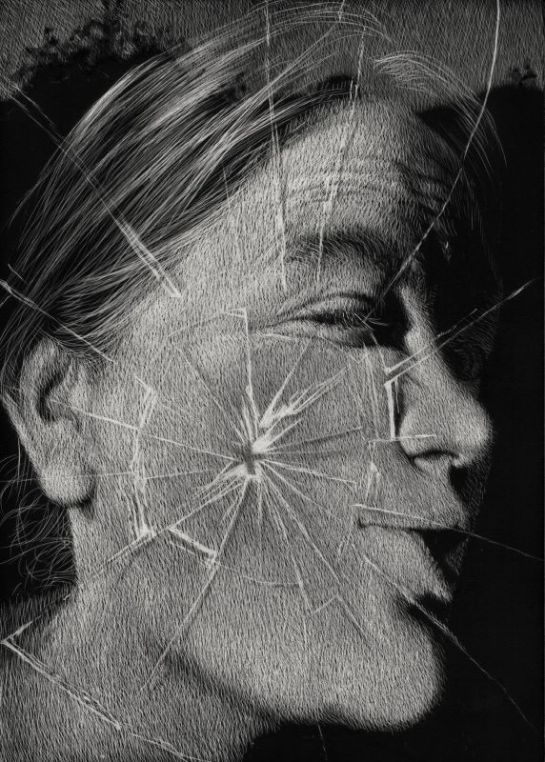
As can be seen on the International Society of Scratchboard Artists website, the deadline for entries to the Inaugural show in Glen Ellen, in the beautiful Sonoma Valley wine growing region of California, just outside San Francisco, closes on the 25th April. I have my entries in and hope many other people do too. It’s going to be a great show. I’ll be flying from Australia to attend the artists opening day at the venue, The ARTHouse Gallery (the link I’ve provided takes you straight to the work of Master Scratchboard Artist and all round cool gal Diana Lee, already represented by the gallery). This will be on the 7th July, and I will then be attending the two days of workshops where seven scratchboard artists (including the legendary Charlie Ewing) will share their techniques (I will be doing a two hour segment myself). This will be at the Sebastapol Center For the Arts on the 8th and 9th. I can’t wait to meet old and new friends and learn from them. Of course, we’ll get to see a reasonable chunk of the west coast on holiday either side of the show.

Here’s my latest piece, a small scratchboard sketch of a Cape Buffalo, and I’m currently working on a series of ‘in your face’ kangaroos, along the lines of my previous emu series

Be adventurous with your references

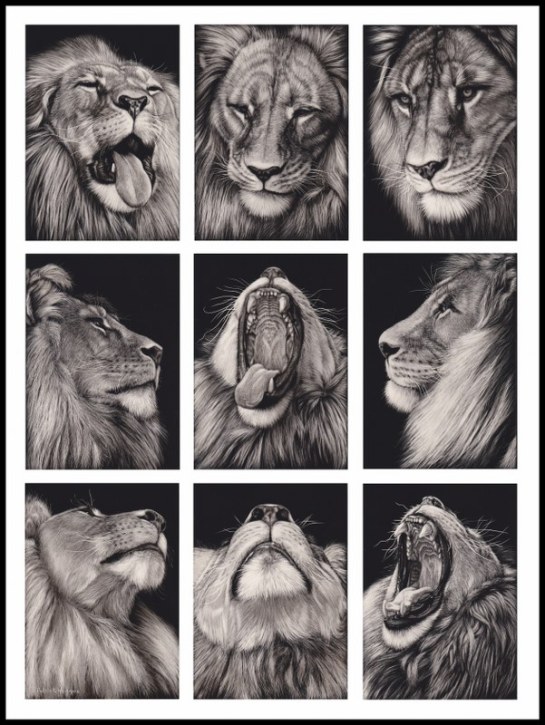
I see a lot of wildlife art based around the “Big Five” or other large animals that the public identifies with. Tigers, lions, leopards and elephants are staples of many artists, and I have drawn or painted them many times too. But I believe it’s a mistake to rely on these. The natural world is jam packed with wonderful fauna (and flora) ranging from massive to miniscule.

My dad worte a book about East African reptiles and amphibians and if he had lived longer, he was going to write a second book called “Not only Elephants”. He was of the same opinion as me and this book was going to be dedicated to the animals that people often missed like shrews, zorillas, tortoises, rock hyrax and so many others. Tourists used to come to East Africa in search of the big five (elephant, black rhino, leopard, lion and buffalo – grouped together because they were the most dangerous animals to hunt) and in their fascination of these large animals, they often missed so much beauty that flashed by them as they motored along in their zebra striped wildlife viewing vehicles (painted in stripes more for the appeal to the tourists than the camouflage they afforded the vehicle).

I was in a similar vehicle recently, and some of my fellow occupants would be staring into the distance for a sighting of an elephant or leopard whilst missing lilac breasted rollers and malachite kingfishers. They would look at me as if I was mad as I turned over stones looking for lizards, scorpions and snakes. Ok, maybe I am mad but look at the smaller creatures in our world and I defy anyone to prove to me that the larger creatures are more wonderful.

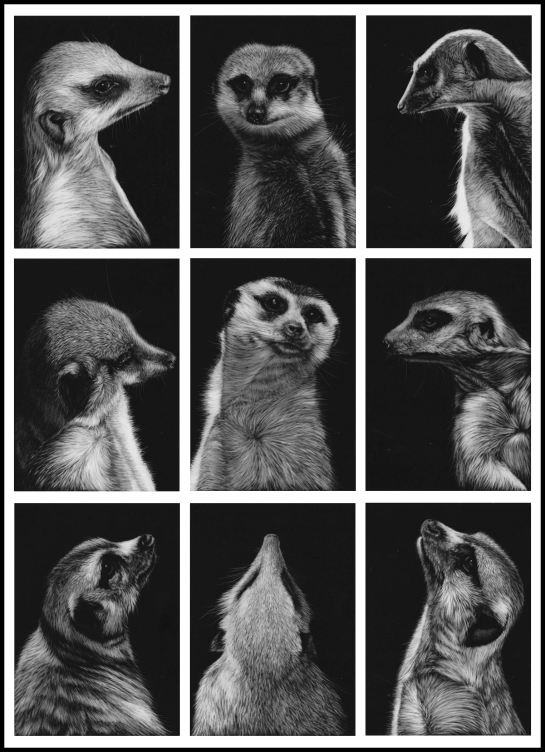
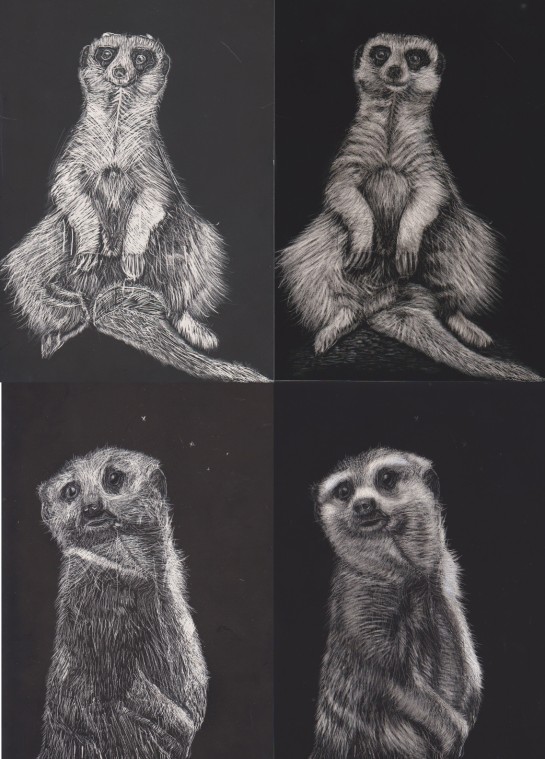
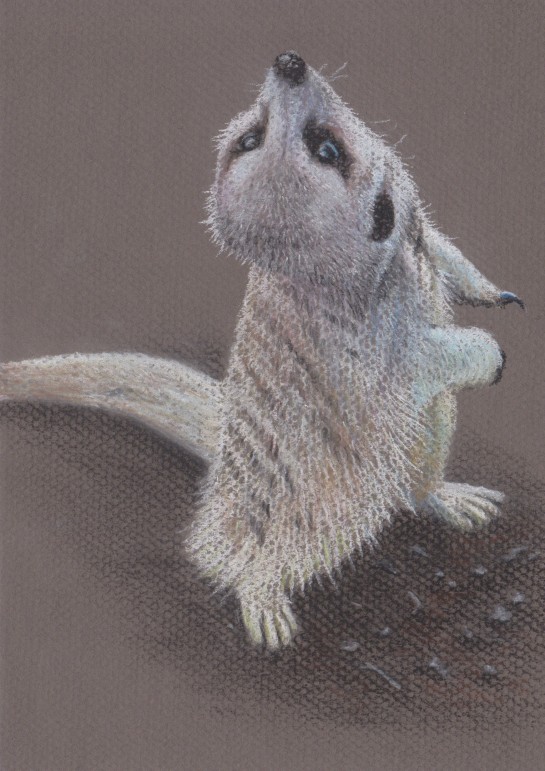
Thus, I also believe it’s our duty as wildlife artists to research and educate people about these animals. I’ve recently been challenged to move towards the less fashionable animals so here are a couple of new pieces. Meerkats are quite popular nowadays, in part due to that amazing TV series “Meerkat Manor”. Here’s my take on a meerkat looking out for predators. I’ve included specks of dirt on the meerkat’s head to show that, whilst they are always alert for danger, they are constantly digging for food and shelter.

And an even less fashionable animal, an iconic Australian species. The grey kangaroo isn’t depicted too often in art simply because they look so cute and therefore artists shy away from them. I do too but I managed to coax one to come right up to my face and I caught this distorted “pleased to meet you” kind of look.

What a strange place Etosha is

Here are a couple of scratchboards from my time in Etosha National Park in Namibia. The first is a group of Elephants around the waterhole at Halali. It’s called “Total Protection” because of way the young are protected by the adults. It’s created by fibreglass brush removing the ink in a soft focus fashion, then adding ink back in (diluted in an airbrush), re-scratching, re-inking, re-scratching, re-inking etc as many times as it takes to get the effect I need. Finally I’ve sprayed the whole thing sepia to keep the monochrome effect but also add that little bit of old time feel to it and the sunshine and dust of Africa.

“Total Protection”

The second piece is a young zebra trotting through the water after its mum in a piece called “Water Baby”. It’s from a zebra at the waterhole at Okaukuejo.

“Water Baby”

So why is Etosha a strange place? Well, it’s an extremely dry place. It has a vast salt pan which is eerie and beautiful. The park has very little precipitation and as such it doesn’t support a lot of the animals you’d expect. It has no hippo, no buffalo and no crocodiles. Nip across the border into Botswana and in the Okavango Delta or Chobe National Park you’ll encounter as many hippos, buffalo or crocodiles as you might wish to see. Here’s a croc I photographed at Chobe. Believe it or not, this is in the wild and I’m not using a zoom. I’m literally a metre away from this large croc. However, I’m in a boat and it isn’t. It’s also just been fast alseep and is simply releasing heat through it’s open jaws so I’m neither being brave nor foolhardy.

So what’s going on in Etosha? You’d expect, with all that water in my pieces of art, to see all of the missing animals. No, these are man made waterholes, specifically created from boreholes to draw the animals to them in large numbers so we can get a good look at them. It works too. There were so many elephants at Halali, scores of zebra coming to drink all day at Okaukuejo, and at another waterhole, Namutoni, the best you can come to seeing a large predator is the python that swims there yet the air is thick with birdlife.

Is Etosha worth the trip? You bet it is! Not only do you get to see an abundance of wildlife at these waterholes, but if you venture out into the arid areas, you’ll see plenty from little dikdiks to the gorgeous lilac breasted roller, male oryx sparring for dominance, lion and many other animals. If your main love is monkeys however, you’ll be disappointed. There are none at all. In fact the campground pests aren’t monkeys here but go-away birds, red-billed hornbills and jackals – what a fabulous camping experience when those are considered pests!!

Me on the quiet and eeire Etosha Pan

Walk Away

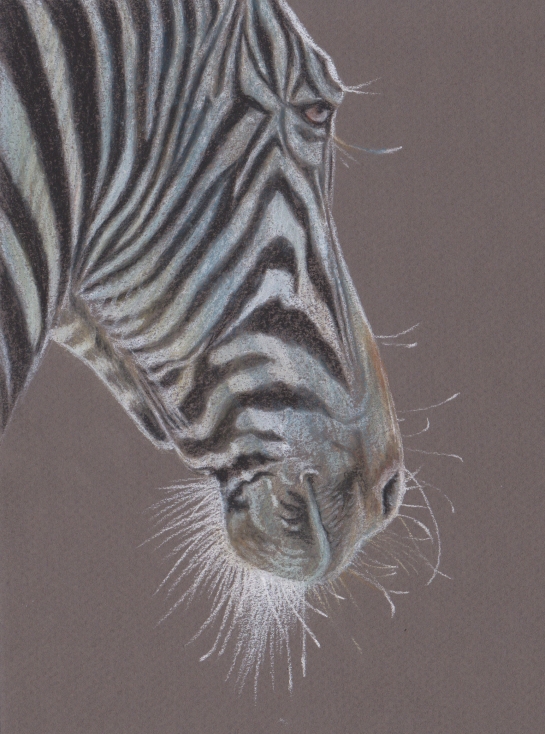
Sometimes you just have to do a quickie. This is a small (8″ x 10″) scratchboard of a zebra from one of my Africa trips. Simple process, do the drawing, remove all of the ink from the white stripes with a fibreglass brush so you are back to pure black and white, then use an airbrush (or use a large watercolour brush) to add a layer of diluted Indian ink over the whole thing, wait til it dries and use the fibreglass brush again to pull out some highlights. Repeat the ‘pushing and pulling’ process of airbrush and highlights until you have the desired 3D roundness you need to make the zebra look like you want it to look.

My photo of it has caught some glare here and there unfortunately but you get the idea.

Reach out and touch the world

I’ve been reading quite a lot about ‘legacy’ recently. You know the stuff – what legacy are you going to leave the world? Sometimes it’s hard to read, especially if you think you aren’t leaving much behind, and we all probably think that way, me included.

So it’s been with great delight that I’ve watched the International Society of Scratchboard Artists take shape. In a way I can claim a small part of this as a legacy item.

About a year or so ago, I was hearing a lot of scratchboard artists complain that there was never any category for us to enter our art into in exhibitions and competitions around the world. We were always lumped in with something else like ‘works on paper’ or ‘paintings’ or ‘drawing’, and even occasionally told that scratchboard would be better off being entered into a craft show. Now I’m not having a go at crafts here but scratchboard needed to take its rightful place as a fine art medium.

I spent a short time thinking about this problem and about one hour writing a basic manifesto of why we should create a society. That was it. I had no idea how to start from that point, other than asking people for help.

Well, what happened next? Stacks of scratchboard artists agreed with me and a group of seven from around the world put their hands up to help me do the donkey work. This involved some very clever artists writing by-laws, a policy manual, setting up a website, working out levels and fee structures, getting the whole thing incorporated and pursuing non profit status, organizing bank accounts and writing newsletters.

What has happened as a result? Well, we have a whole host of members now. This is not a Facebook group which you can join, or someone joins you without even asking you (grrr), this is serious! This involves someone applying, paying money and being juried into the society. We also have an exhibition venue and date for 2012 which is very exciting. It will be at the Arthouse Gallery in Glen Ellen, California. The show opening will be July 7, 2012. This is in the heart of wine country in California and I will be making the trip from Australia for this with my family.

So how did all this happen? The people who really made all this happen were Lorna Hannett our president, Cathy Sheeter our exhibition director, Ken Mcfarlane the man who made the lawyers bend over backwards for us, Sue Rhodes our webmaster, Sandra Willard our secretary, and Diana Lee who pulled off the coup of locating our inaugural exhibition and who has promised to show me around her home state (I never forget a promise hint hint). Also Natalie Langkopf edited the first issue of our member newsletter and it was an absolute ripper! All of these good people have volunteered hours and hours of time, effort and passion, along with being fine artists themselves.

So, if you have a chance, come along to the exhibition. If I’m flying in from Australia, anyone can get there from anywhere. Better still, apply to be a member and then have a go at exhibiting in the show.

Either way, think about your own legacy. Every little, or big, thing you do is part of your legacy. Who do you touch?

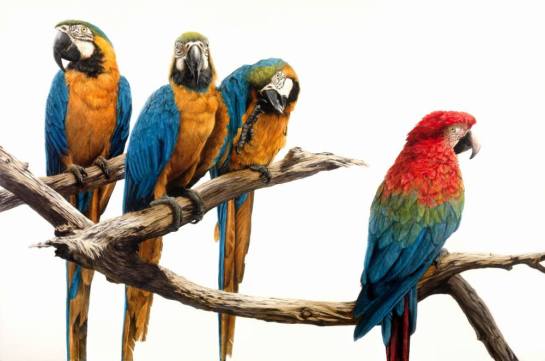
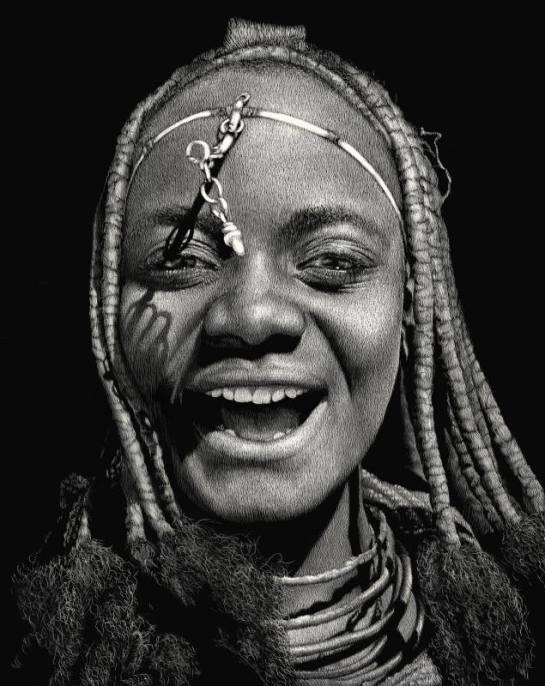
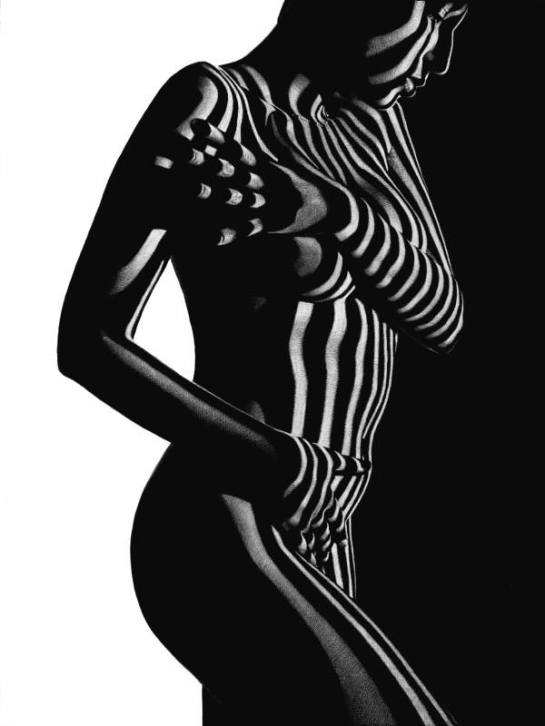
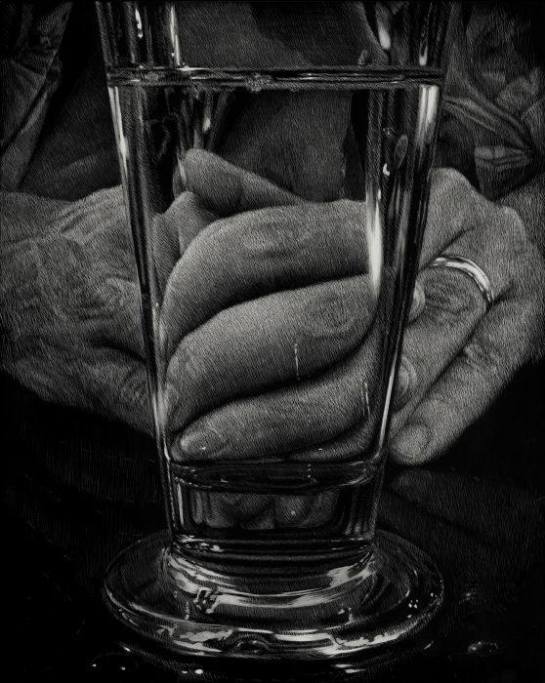
This article below was published in the November edition of Fine Art and Decorative Painting magazine. One of our master scratchboard artists Judith Edwards-White wrote the article and it contains one of her images, one of our president’s (Lorna) and one of Diana’s, and also includes two of mine (though technically ten, since “The Birdy Bunch” is a montage of nine individual scratchboards).

Follow

Get every new post delivered to your Inbox.

Join 43 other followers