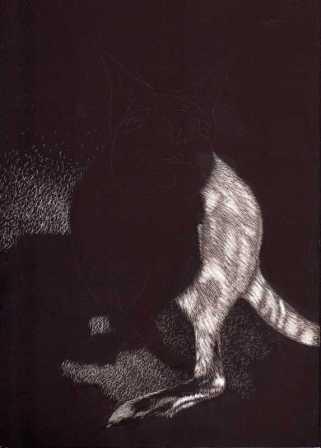
“Pleased to meet you”, Swamp Wallaby – small scratchboard

When we stayed in a kind of tent like thing at Warrawong Sanctuary in the Adelaide Hills I took lots of photos of the marsupials that they have there. One such photo was, and don’t hate me, of my wife being attacked by a big kangaroo. It came at her from behind and really hurt her, scratches all over her face. I had to get a photo before I went to help – really bad habit of mine!! I’d be terrible in an emergency. My apologies Gaynor 😀

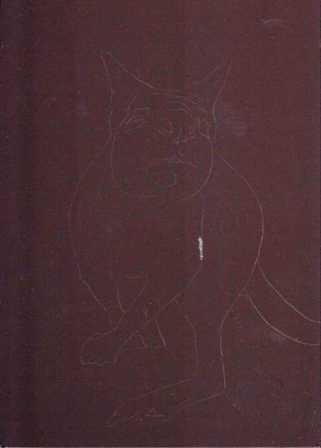
Anyway, fortunately I took many more appropriate photos and I’ve created a small scratchboard of a swamp wallaby. Here’s a little “work in progress”, from start to finish.

and finally the finished art, toned with India Ink and highlights rescratched

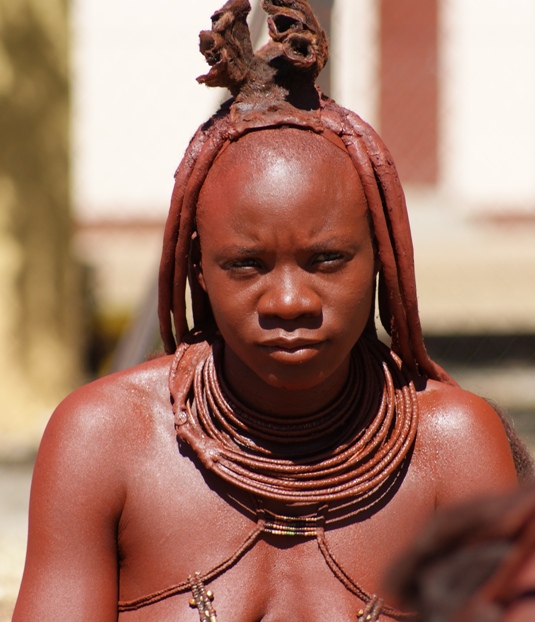
Himba maiden finished

Well, it took a while but I’m finally done with my latest scratchboard. You sure do see a lot when you draw someone or something. When you are forced to slow down and draw you pick up so much more than in normal life. Who was it who said they hadn’t truly seen something until they had drawn it? Someone will answer that one I’m sure.

Apart from the usual amazing look of the Himba tribe, the bits that drew me to this portrait were;

– her shoulderblade and the way it works with that look over her shoulder

– the diagonal of the rope/string across her back and the way it’s pulling into her skin

– the look in her eye

– the straw in her mouth.

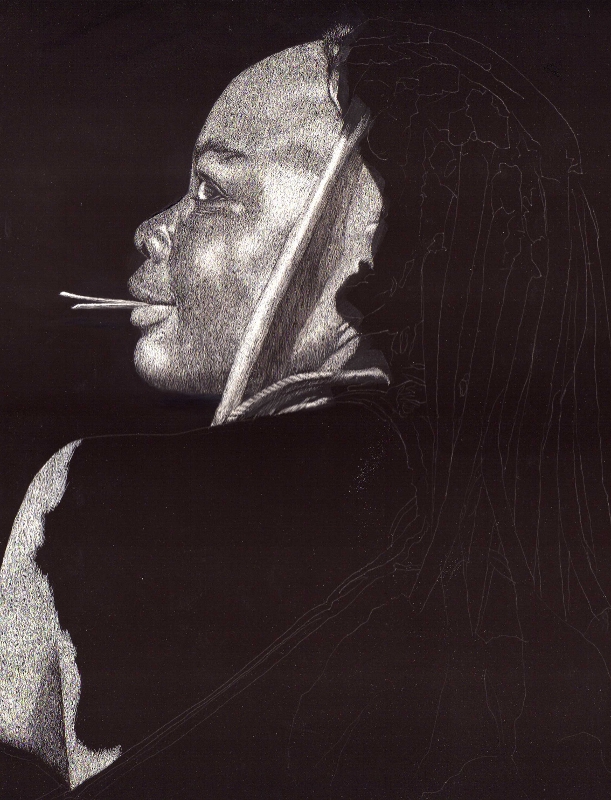
Himba tribeswoman – scratchboard work in progress

The Himba tribe of Namibia cover themselves in butterfat and ochre and never wash. This makes their skin quite red, and their hair braids, more like dreadlocks, become a distinguishing characteristic. The women don’t wear tops and they become quite a sight for tourists. I was one such tourist and I spent an afternoon with a group of ladies in Etosha, near the famous Etosha National Park.

My latest scratchboard is another portrait of one of these ladies from a rear view to show her hair off well and I’m a little bit of the way in. Despite their unique red colouring, I’m actually going to keep this black and white using strong contrast created by the bright Namibian sun.

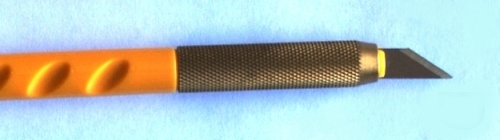
So far the only tool I’ve used is the following craft knife

The zoo debate

Here’s a recent small scratchboard piece of mine which is designed to create debate on zoos. I’ve already written a blog about good zoos and bad zoos. There are many many good zoos that do invaluable work in research, rehabilitation and education. Heck, for anyone who watched ‘Last chance to see’ with Mark Carwadine and Stephen Fry, they would have seen that zoo in Czeckoslovakia which released four northern white rhinos back into the wild. There are 8 of these magnificent animals on the planet and not one of them was in the wild. They were, to all intents and purposes, extinct, but thanks to a zoo, there is now a chance for them. Many other zoos are doing similar things and even if they aren’t, as long as they educate the public on animals and their plight, the goal is achieved. There are bad zoos too. Unknowingly I went to the Cairo Zoo which is simply a disgrace. Animals kept in tiny cages, elephants chained to the ground, terrible care by the keepers and authorities etc etc. Just a very poor culture surrounding animal care.

However, one thing can often be seen even in a good zoo. This gibbon was in a zoo which I was visiting and it was sitting behind glass in a brick room looking unbelievably bored. It’s often dangerous to use the word ‘bored’ with an animal. That is anthropomorphisation, the giving of human characteristics to animals. It may be just the way it is but it sure looked bored to me. It sat there staring into nothing for ages. It was still in the same position when I walked past it an hour later. It would take a deep breath every now and then and a big exhale, just like we do when tedium sets in. Further inspection showed it had access to a very nice compound outside the room so why wasn’t it out there doing what gibbons do best? Swinging through the trees (swinging on the ropes).

Research shows that gibbons can swing through the trees at speeds up to 35 miles per hour (56 kph) which shows that they need massive territories. A few swings, even in a well laid out facitily as this was, and it’s been round the lot. That must get very boring very quickly. Maybe, maybe not. Maybe it’s just the way it is. One thing is for certain, if I, as an open minded thinker, think such things, imagine what school children think or other people who think all animals should be in the wild. Is there a way for this to be overcome? I have heard of one zoo at least putting a sign next to the orangutans reminding people that their facial muscles aren’t the same as ours so they will look sad more often than not, even when they aren’t sad. However, this seems like a less proactive step to me.

This is the “Pileated Gibbon” in question, rendered in scratchboard. It’s a hairy animal and looks like it was snuggling up for warmth but it wasn’t since it was a lovely warm day.

Owls and pelicans

People who commission me for artwork of owls and pelicans are people on my wavelength. They are both amazing birds.

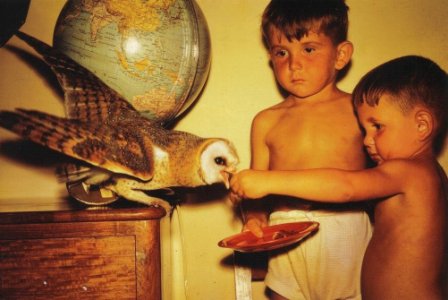
I was such a lucky kid when I was in Africa. We had quite a few owls that had been brought to us with broken wings. My dad was good at fixing things like that, despite not being a vet, and we managed to release them once they were well again. The following pictures are of me (the little one) and my brother with a Barn Owl and also me with a Mackinders Eagle Owl

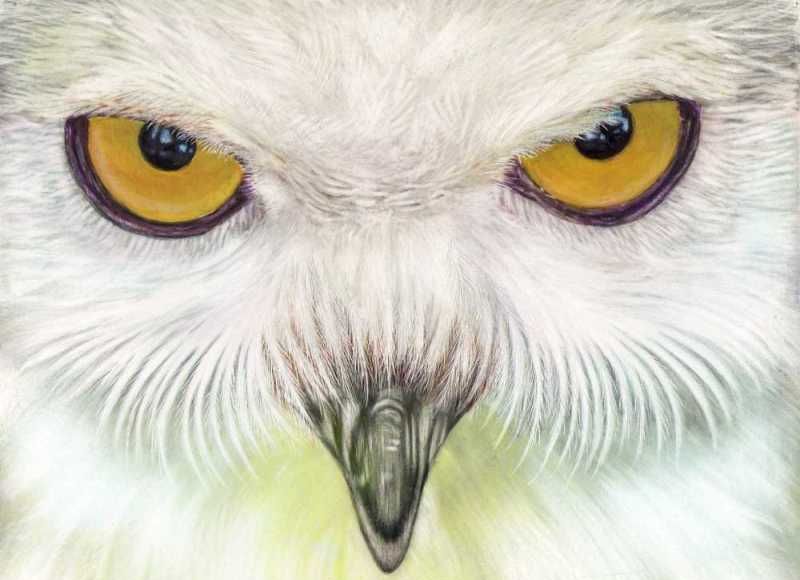
As a result, I love owls and it was a thrill to do the following commission of a Snowy Owl on white scratchboard.

I’ve spent a lot of time photographing pelicans recently and they are the oddest birds. They get into the most awkward (but comfortable for them) shapes and attitudes as can be seen by the following photos.

Here’s a recent scratchboard commission called “Preening”